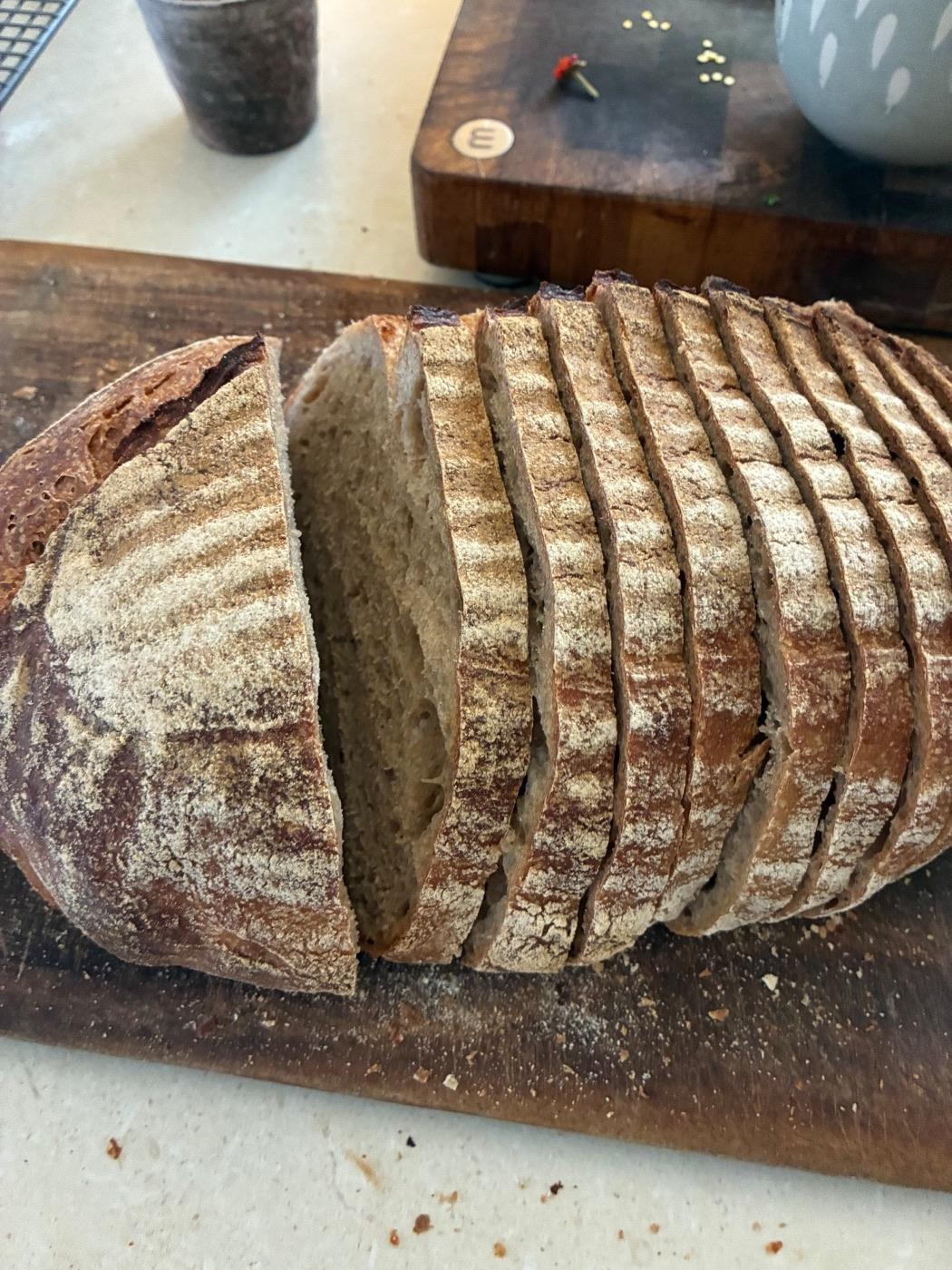
Sourdough bread
It's flour, water, salt and a bit of routine, and people pay good money for the same loaf at a café. Cheap, slow, and a little bit luxurious.
How I got into sourdough bread
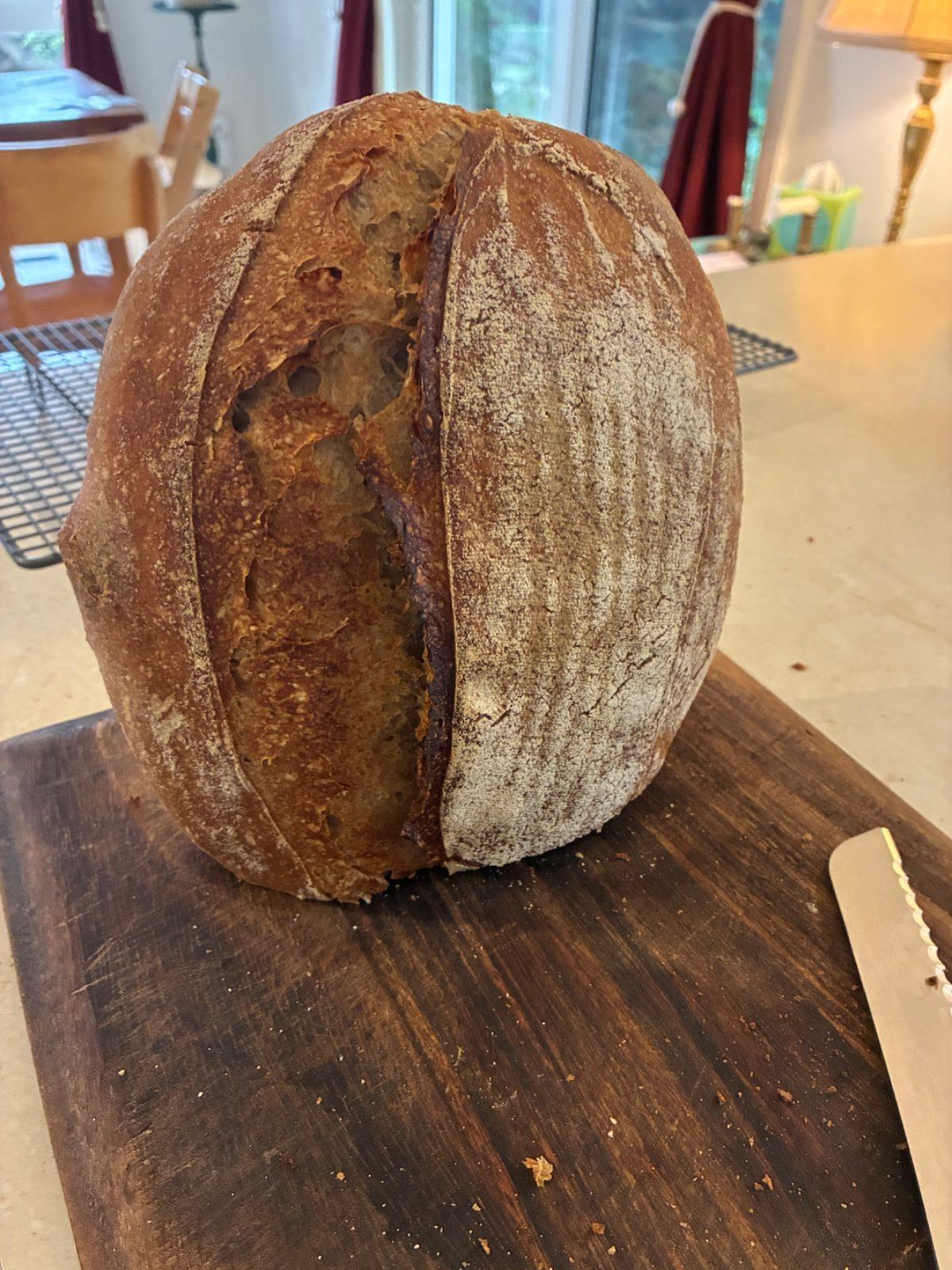
I got into sourdough later than most people, during covid. A cousin-in-law gave us some of her starter after we said we were curious. For the first few weeks I only fed it and used the discard in recipes, to get used to the routine.
Once feeding it stopped feeling like a chore, I started baking. Getting the bulk fermentation timing right was hard at first, but you're still eating sourdough even when the loaves aren't pretty.
I'm not a perfectionist about it. I just want the weekly loaves going for sandwiches and eggs on toast.
It took a while to work out the timing through the seasons and fit it around our week. Now the loaf is the main event: four 30% rye loaves every week. I used to give one to my dad, but lately the kids eat them all. The discard goes into naan.
Why does sourdough taste tangy
Sourdough tastes tangy because the bacteria in the starter make acids as the dough ferments, mostly lactic acid with some acetic acid. People say a longer, cooler ferment gives a tangier loaf and a quicker, warmer one a milder loaf.
I don't tend to leave my dough in cold fermentation for too long, so my loaves aren't very tangy. I've heard of people leaving it in for up to three days, as long as the dough doesn't over-proof, which is when it rises too much and spills over. I'm more interested in the chewiness of the bread, and that comes from gluten development. If you get the bulk fermentation right, plenty of gluten is built up before the cold fermentation.
Sourdough: my three-day plan
I use this plan when the overnight temperature is below about 20°C.
 Day 1
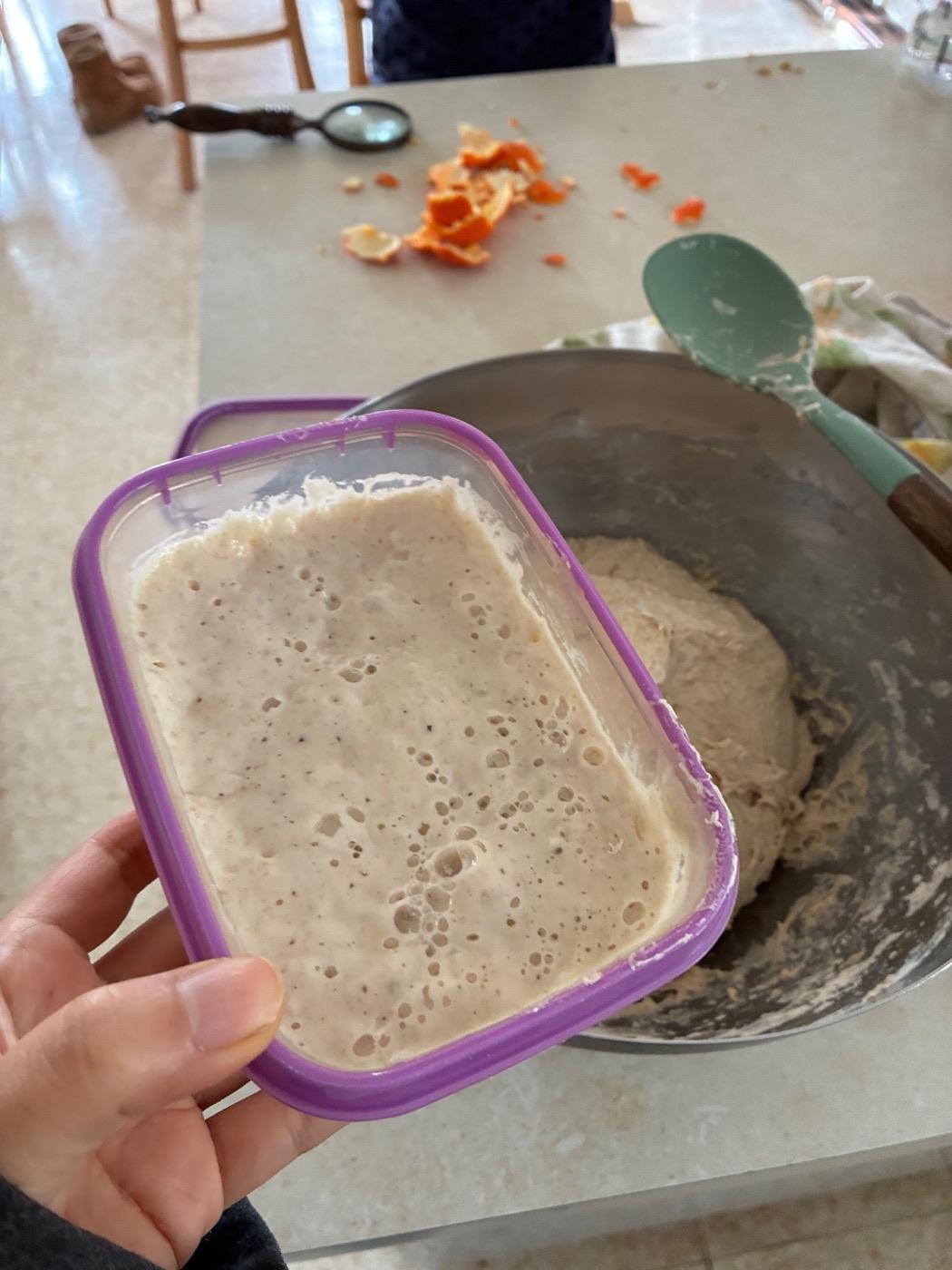
Just prep. I refresh the starter in the evening, so it's bubbly and strong when I mix the dough. I only feed it a little: a small amount of starter in lots of fresh flour and water takes longer to peak, so it's bubbling by morning.
 Day 2
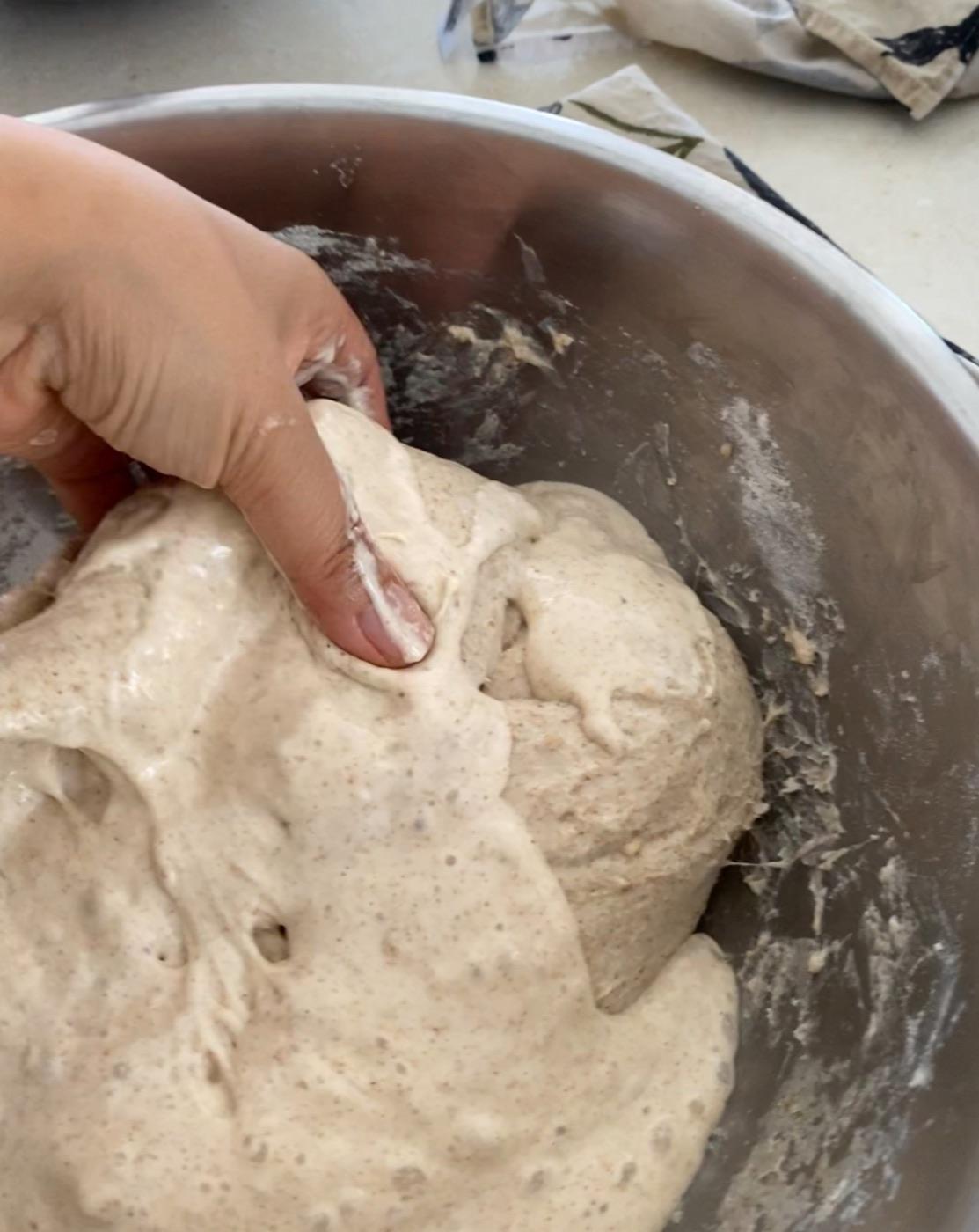
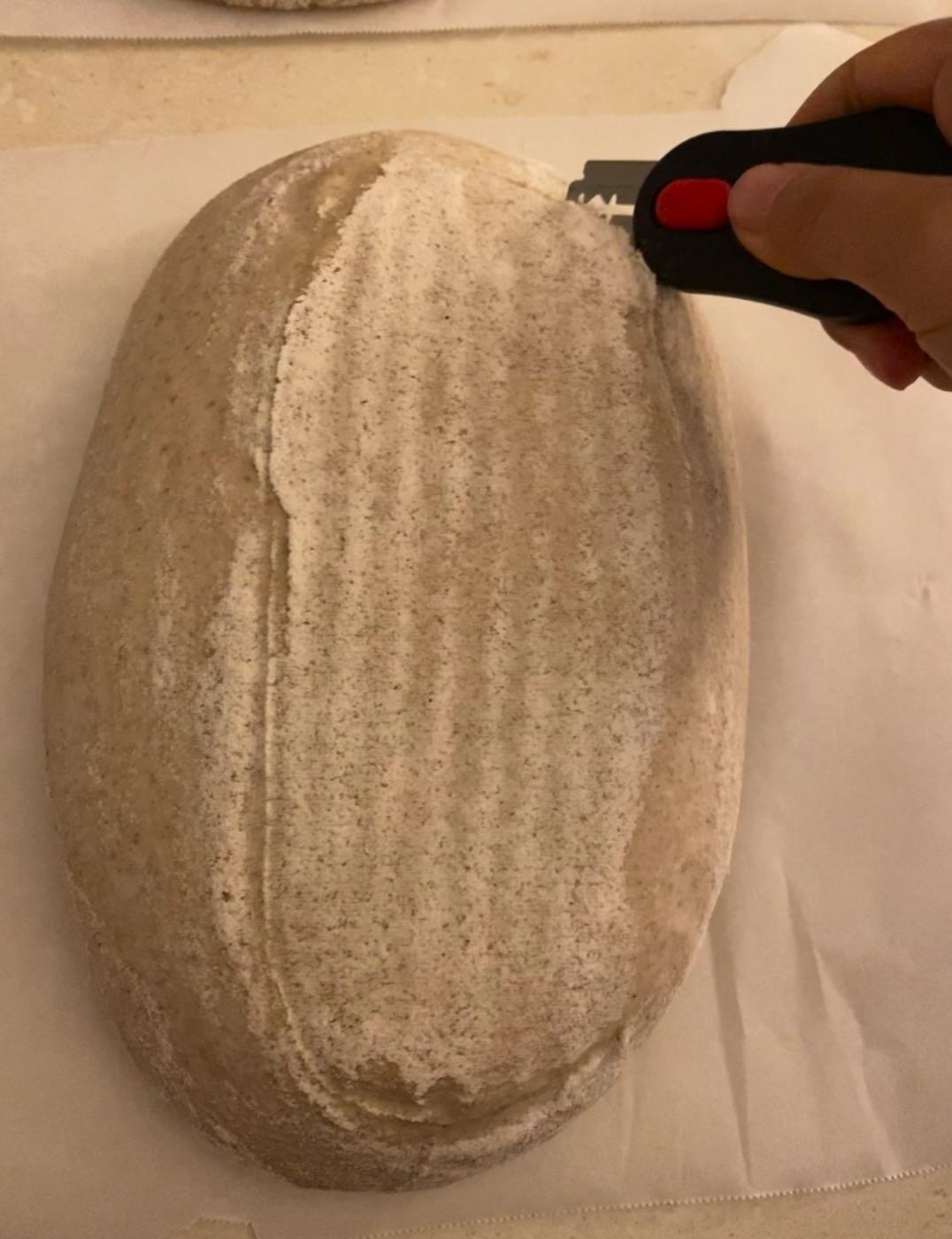
The most involved day. I mix all the flour by hand, then stretch and fold as many times as I can through the day. In the evening I shape the dough and it goes in the fridge for the cold ferment.
 Day 3
Mostly idle. Dutch oven at 250°C with the lid on for 20 minutes, then lid off at 230°C for 30 to 35. Two batches on baking day.
Making sourdough bread isn't the hard part. Finding a day at home to stretch and fold the dough properly is.
Sourdough: my two-day plan
I use this plan when the overnight temperature stays above about 20°C.
- Day 1
I feed the starter in the morning. Then the day is the same as Day 2 of the three-day plan: mix the flour by hand, stretch and fold as many times as I can, shape the dough in the evening, and it goes in the fridge for the cold ferment.
- Day 2
Bake. The oven is the same as the three-day plan: Dutch oven at 250°C with the lid on for 20 minutes, then lid off at 230°C for 30 to 35.
How to tell the dough is ready
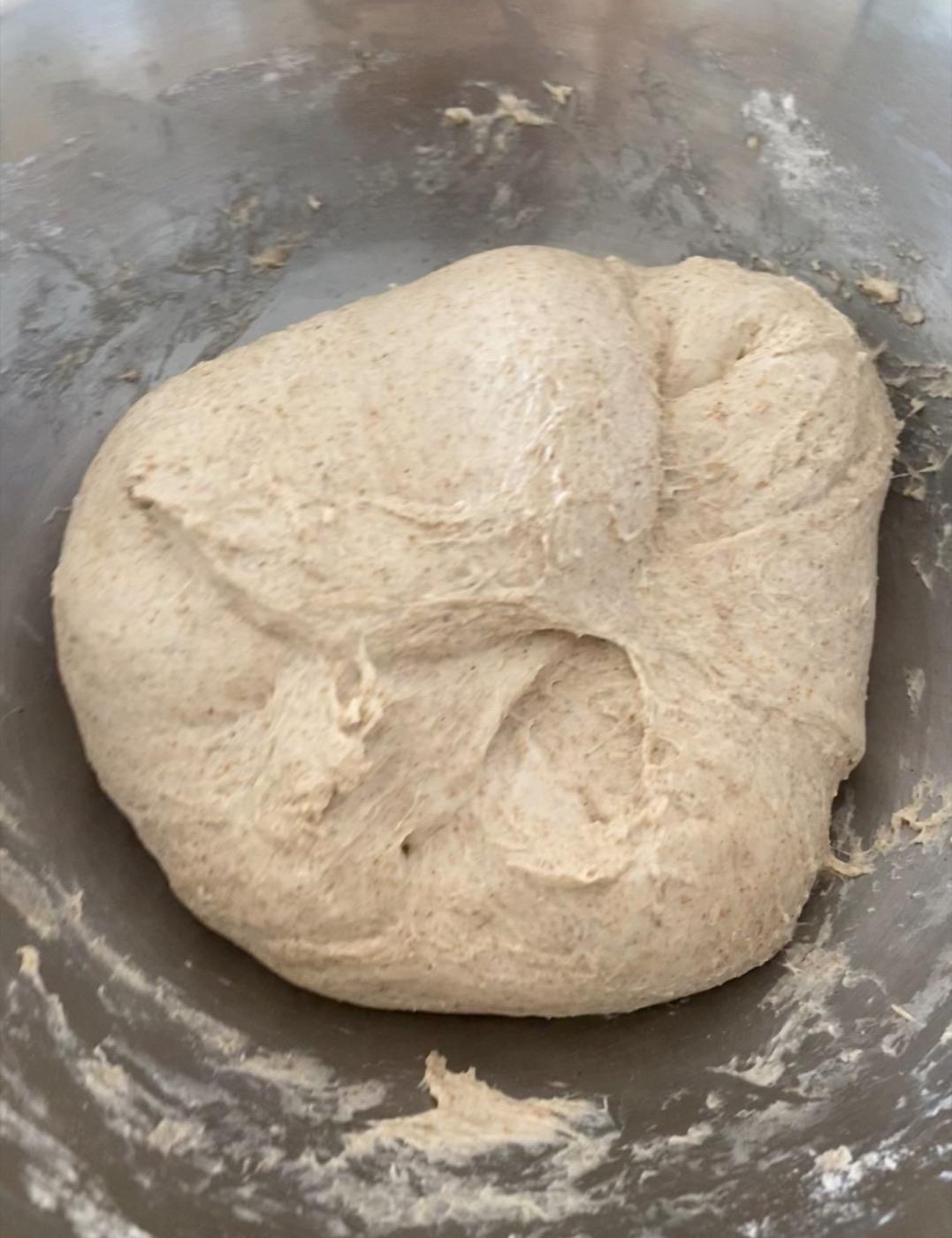
- I can tell by feel, in my hand, when I stretch the dough up before folding. It gets stretchy and airy as the yeast and bacteria make gas and acid.
Why I shape sourdough and let it rest cold
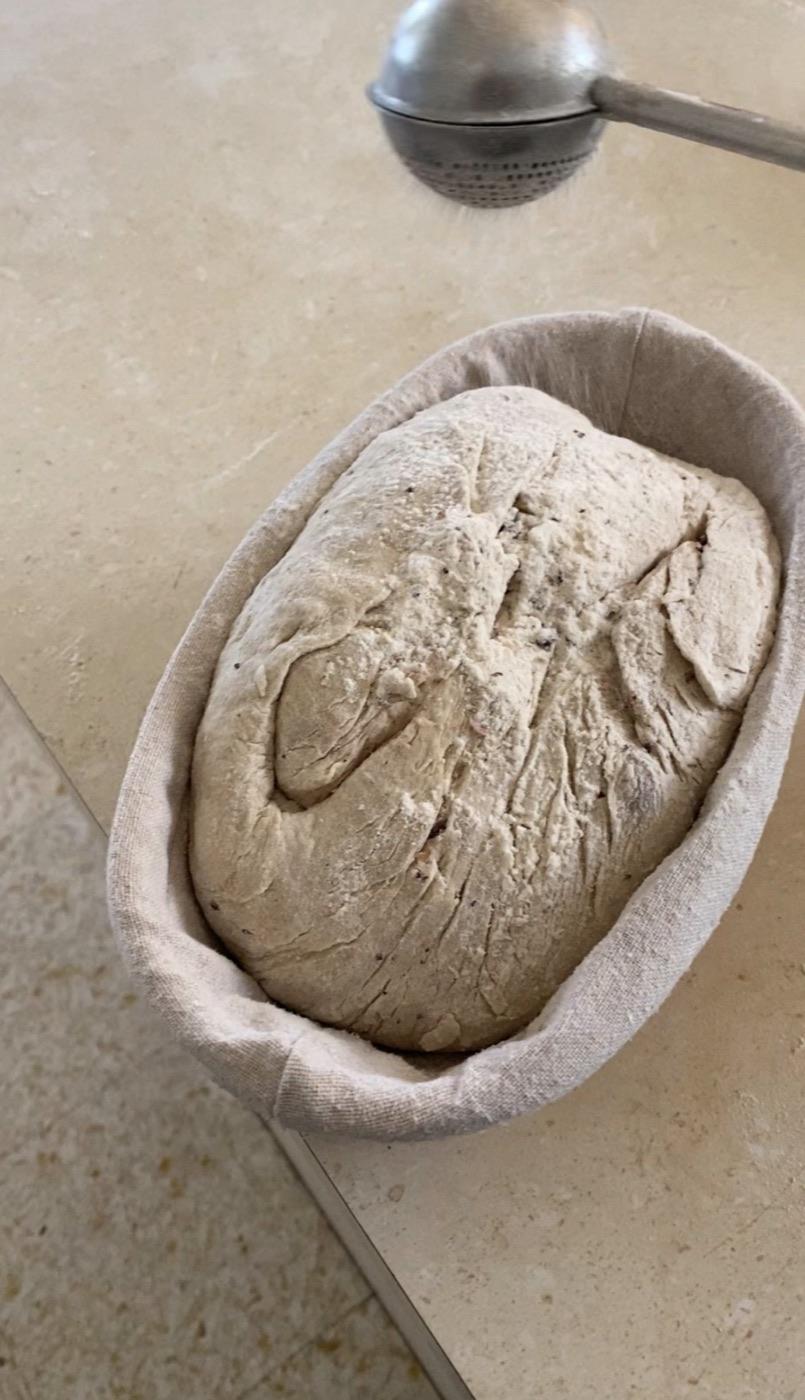
The folds build strength in the dough without kneading. Shaping tightens the surface so the loaf holds its shape, and the cold ferment slows the yeast so I can bake the next day. People say the slow, cold rest also builds more flavour.
Why sourdough bakes in a Dutch oven with the lid on, then off
The lid traps the dough's own steam, which keeps the crust soft while the loaf rises, and the hot start gives the oven spring. Taking the lid off lets the steam out so the crust can brown and crisp, and the lower temperature lets it bake through without burning.
What I've cooked with sourdough
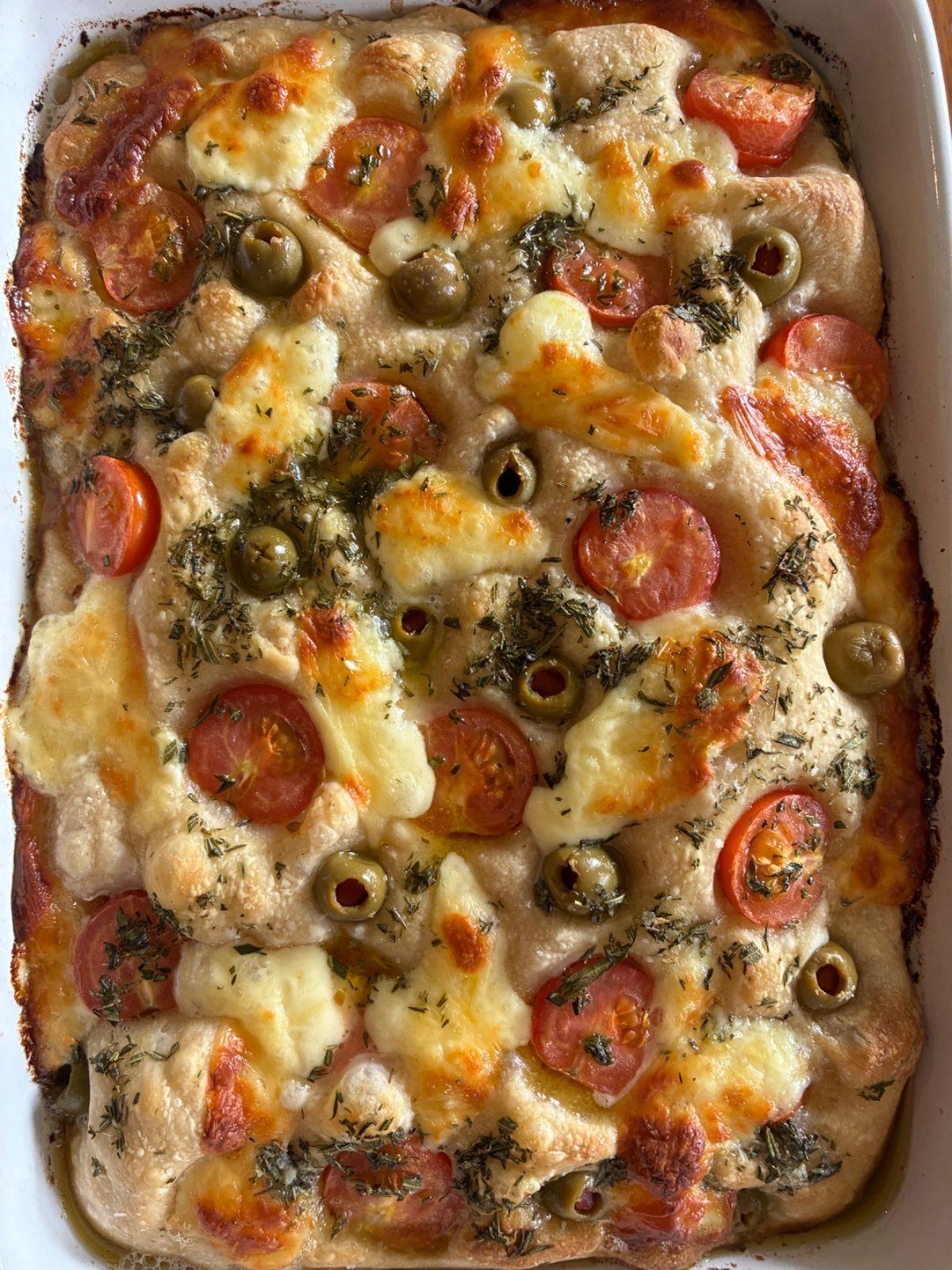 ItalianFocaccia
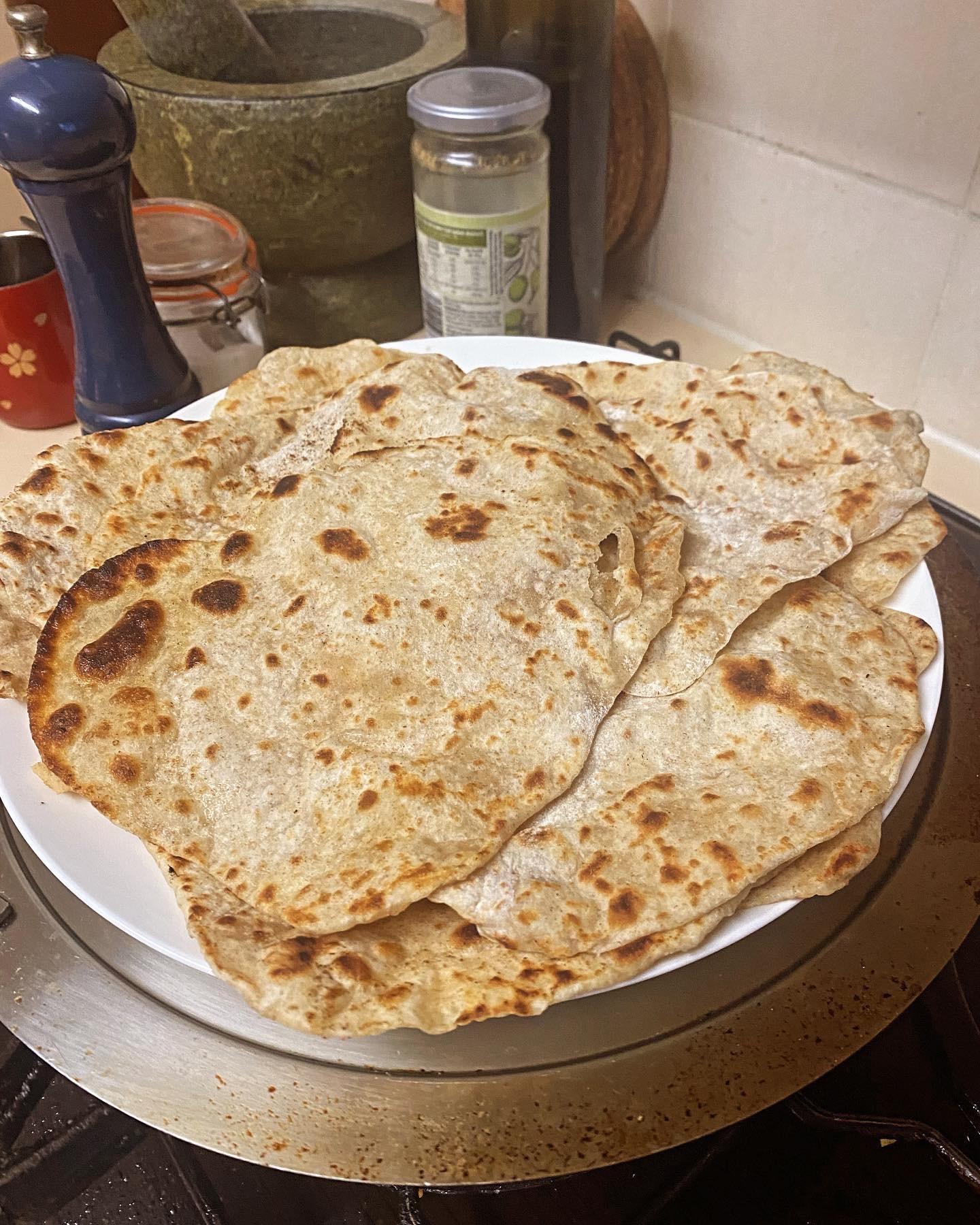 IndianNaanMost of my leftover starter goes into naan now.
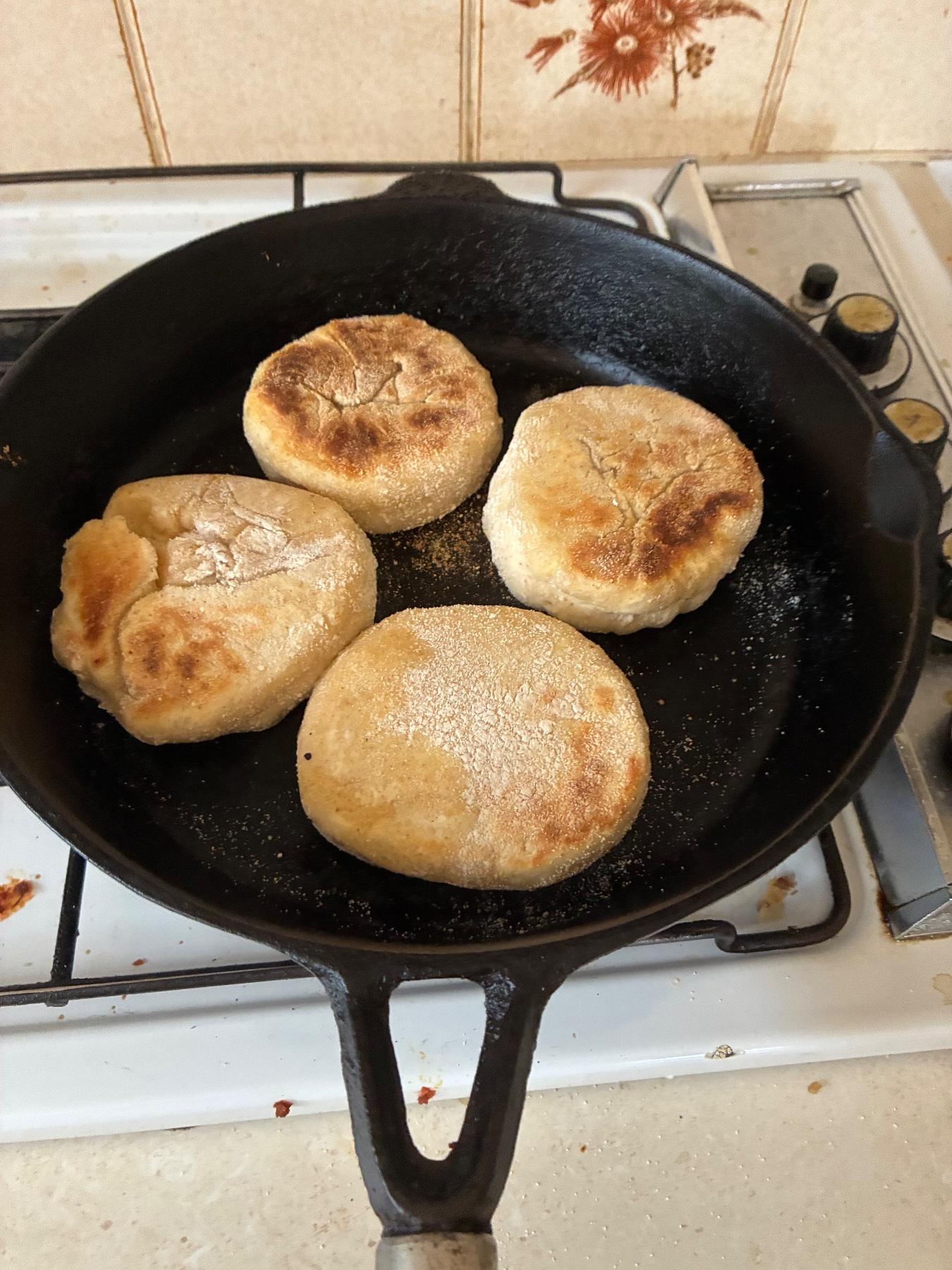 EnglishEnglish muffins
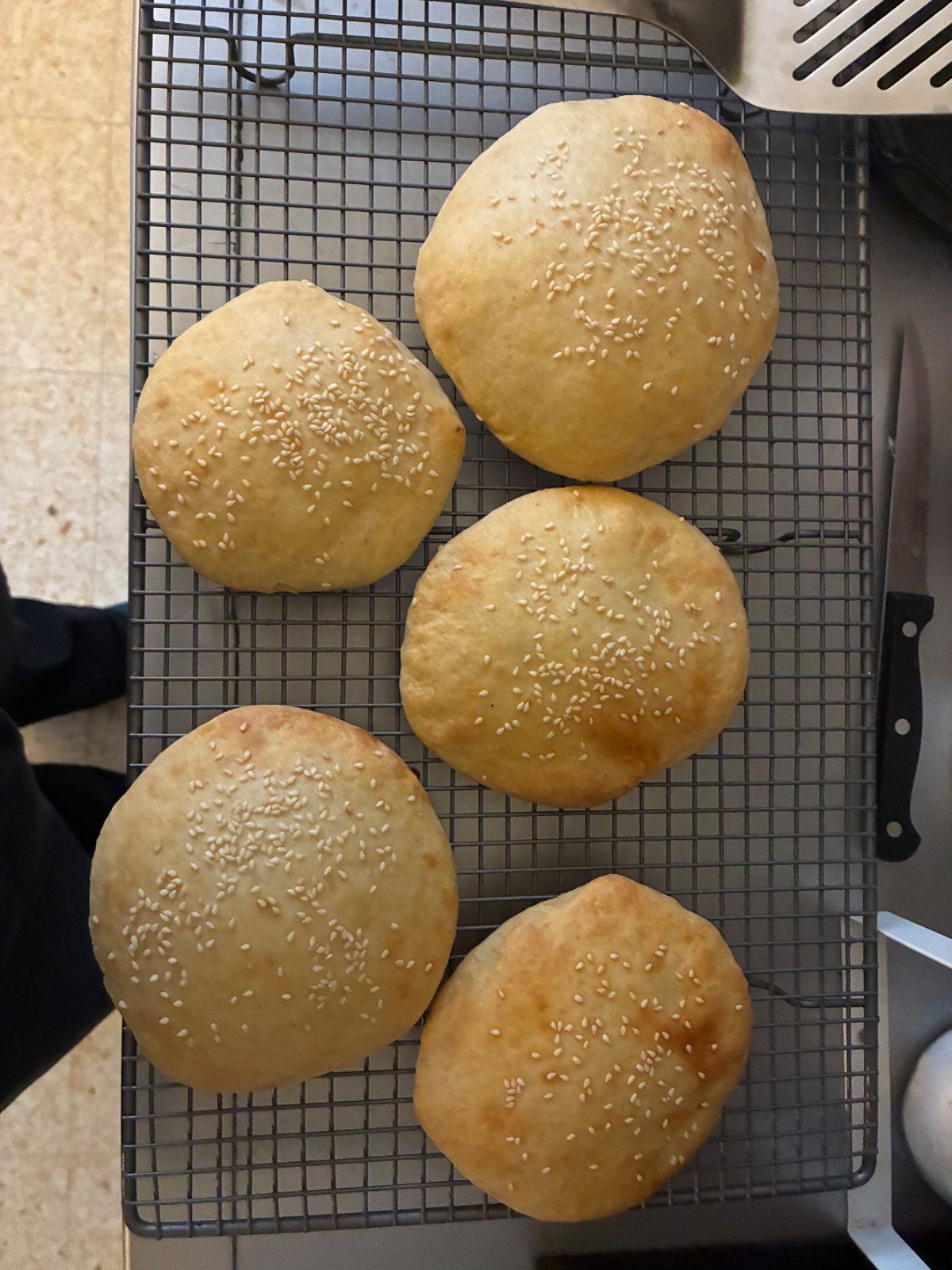 AmericanSourdough discard hamburger buns
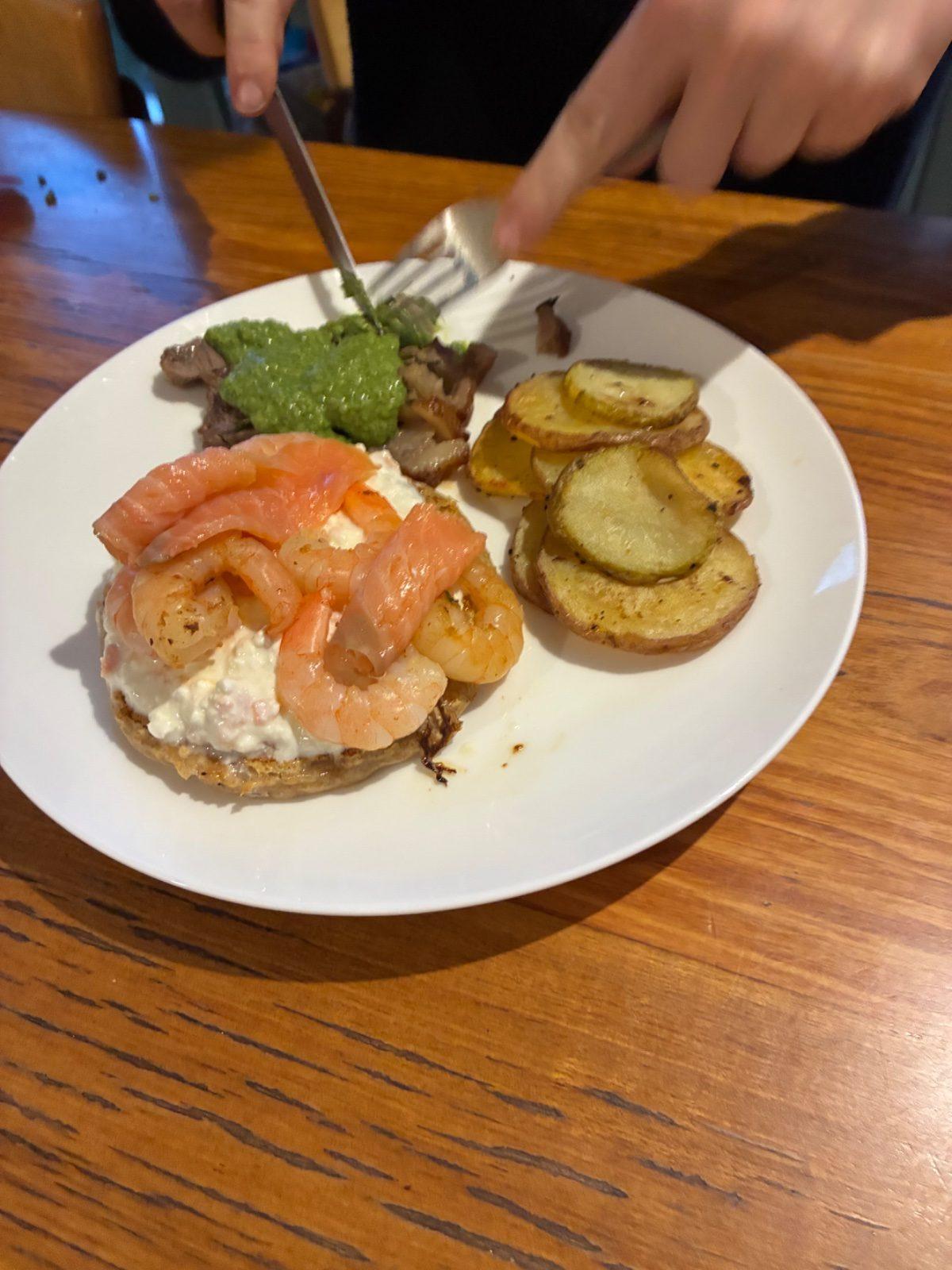 BritishSourdough crumpets
 ItalianSourdough pizza
Sourdough starter, discard and keeping: what to know
- ·Sourdough is cheap luxury. People pay good money for a loaf at a café, and it lasts longer than supermarket bread. You can refresh a stale loaf, and some people take theirs travelling.
- ·A starter is a living mix of wild yeast and lactic acid bacteria. The yeast makes the bubbles.
- ·Sourdough discard is just starter you didn't feed. It's still great in naan, crackers, pancakes and muffins.
- ·The acid from the bacteria in a sourdough starter tends to slow staling and mould, which is part of why a sourdough loaf keeps better than most shop bread.

I'm Yiyi, a busy mum of three. I built Tender to run my own kitchen.
Plan the week, get the shopping list, then cook each recipe step by step.
Be one of the first to try it. I'm inviting a few people at a time.
I'm Yiyi, a busy mum of three. I built Tender to run my own kitchen.
Plan the week, get the shopping list, then cook each recipe step by step.
Be one of the first to try it. I'm inviting a few people at a time.